
Cornwell is not one series but six, spread across two thousand years, and the usual advice - start at the beginning - actively misfires here, because the most famous of them was published in an order that has nothing to do with its chronology. These are the doors in, what each one is actually like, and the Sharpe problem explained.
Editor's Picks
- The Last Kingdom - the best door in
- The Winter King - his finest book
- Azincourt - try before you commit
Cornwell is six series, not one
This is the whole difficulty. Ask where to start with Cornwell and the honest answer is another question: which war? He has written the Napoleonic Wars, Viking-age England, post-Roman Britain, the Hundred Years' War, the American Civil War and a good deal else, and they read quite differently. The research is uniformly excellent; the tone is not uniform at all.


The Northumbrian coast and a beached longship. The Saxon Stories are a story about a shoreline, and about a boy who is never sure which side of it he belongs on.
The Saxon Stories - the best modern entry
Thirteen books following Uhtred, a Northumbrian noble's son raised by Danes and permanently caught between the two. It has the strongest single first book, the clearest hook, and a narrator with an actual voice. Start with The Last Kingdom - and this is the one we would hand to anyone who has never read Cornwell at all.
Sharpe - the famous one, and the order problem
Twenty-four novels following a private soldier commissioned from the ranks through the Peninsular War and Waterloo. It is the series Cornwell is known for and it has the worst entry problem of the six, which is dealt with properly below.
The Warlord Chronicles - the critics' choice
Three books retelling Arthur as a post-Roman warlord, with no magic and no chivalry, narrated in old age by a monk who served him. Start with The Winter King. It is more serious and better written than anything else he has done, and readers who bounce off Sharpe often love it.
The Grail Quest - the longbow books
Crécy, Poitiers and an English archer hunting a relic. The most purely adventurous of the series and the best writing anywhere on what a longbow actually did to people. Start with Harlequin (published as The Archer's Tale in the United States).
Starbuck - the unfinished one
Four books on the American Civil War from the Confederate side. Good, and abandoned mid-series, which is worth knowing before you start. Not a first Cornwell.
The standalones
Azincourt is the best of them and the ideal low-commitment test: one book, one battle, no series to sign up for. Stonehenge is the strangest thing he has written and divides people sharply.
The Sharpe problem, explained
Cornwell began Sharpe in 1981 with Sharpe's Eagle, set in Spain in 1809. Sixteen years later, with the series established, he went back and wrote prequels covering Sharpe's earlier career as a private soldier in India. So the book that comes first chronologically, Sharpe's Tiger, was written seventeenth.
Reading lists published since then almost all sort the series chronologically, which puts the India novels at the front. Retailers and library catalogues do the same, which is why so many readers meet Sharpe's Tiger first and never reach Sharpe's Eagle at all. This is the single most common way new readers go wrong.
Read them in publication order, starting with Sharpe's Eagle. The prequels are good books written for people who already know Sharpe - they assume you care about him, they reference his future, and they are structurally the work of a far more confident writer, which makes the early novels feel thin if you meet them afterwards. Publication order also lets you watch Cornwell get better, which is a pleasure the chronological order destroys.
The exception, if you want one: Sharpe's Rifles is chronologically early, was published tenth, and works reasonably as an opener. But Eagle is still the better book.


Dust, heat and a ruined watchtower above the plain. Sharpe's Peninsular War is marching, and marching again, over ground taken and lost and taken back.
 01
01The Last Kingdom
Uhtred, a Saxon boy raised by Danes, caught between both. The best door into Cornwell for a new reader: a clean first book, a proper hook, and thirteen more waiting if it lands.
 02
02Sharpe's Eagle
The first Sharpe Cornwell wrote, and still the right one to read first. Talavera, a lost colour and a rifleman with a grudge. Everything the series does well, already working.
 03
03The Winter King
Arthur without the magic: a warlord in a collapsing post-Roman Britain, narrated by a monk who was there. Widely held to be the best thing Cornwell has written, and we would not argue.
 04
04Sharpe's Tiger
Private Sharpe in India, written sixteen years into the series. Excellent, and precisely the wrong first book - it assumes you already care about the man.
 05
05Harlequin
An English archer at Crécy, hunting his father's killer and the Grail. Cornwell's best writing on the longbow, and the most straightforwardly adventurous of his series.
 06
06Azincourt
Agincourt from the mud upwards, with no series to commit to. If you want to know whether you like Cornwell before buying thirteen books, read this.
 07
07The Pale Horseman
Alfred in the marshes at his lowest, and Uhtred deciding whose side he is on. The book where the Saxon Stories become more than a good idea.
 08
08Enemy of God
The middle Arthur book: Lancelot as a coward and a self-publicist, Merlin at his most dangerous. Darker and better than the first.
 09
09Excalibur
The end of Arthur, and one of the most genuinely moving conclusions in historical fiction. Do not read anything about it first.
 10
10Sharpe's Sword
Salamanca, a French assassin and Sharpe out of his depth. Middle-period Sharpe at full pace, and a good measure of whether the series is for you.
 11
11Rebel
A Boston preacher's son fighting for the Confederacy. The least-read Cornwell series and an unfinished one, but the First Bull Run set piece is superb.
 12
12Stonehenge
Bronze Age Britain and the building of the monument, told through three brothers. Divisive, unlike anything else he has done, and fascinating when it works.

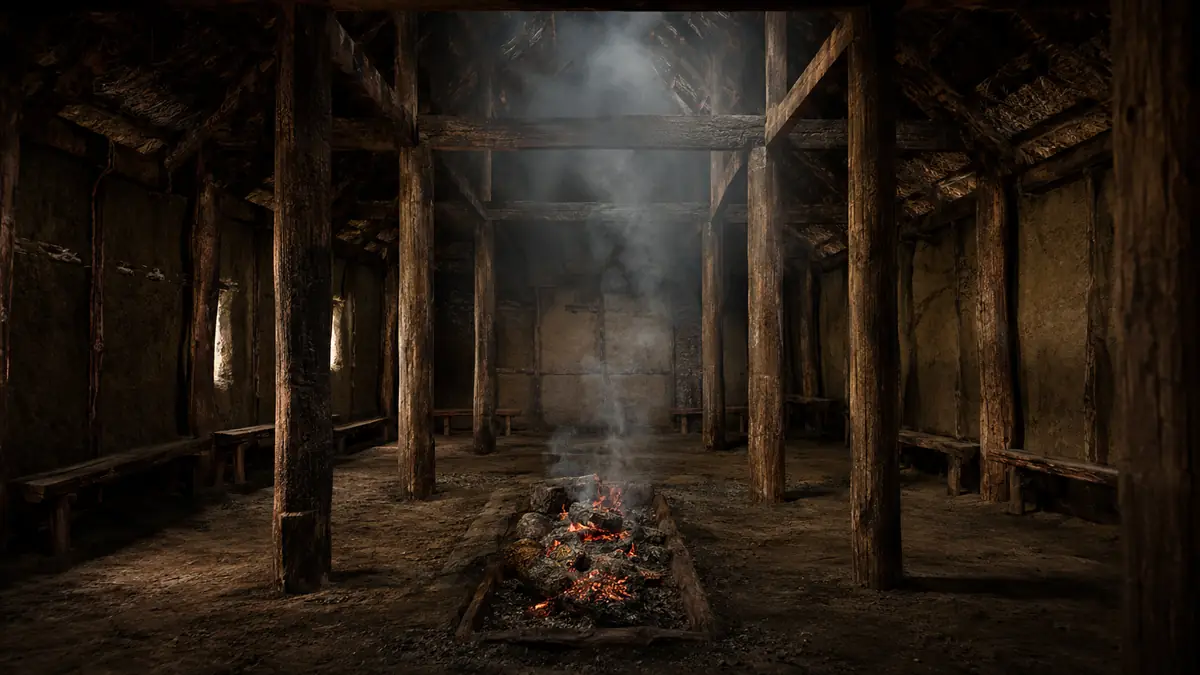
Post-Roman Britain in the Warlord Chronicles: no magic, no shining armour, and a whole political world that fits inside one smoky timber hall.
Three ways to read on from here
Finish the series you started. The obvious approach and the right one for the Saxon Stories and the Warlord Chronicles, both of which build to real conclusions. Uhtred's arc runs the full thirteen books, and Excalibur earns its ending in a way that only works in sequence.
Move between series by period. Cornwell is unusual in that his books are a rough tour of English military history, so reading by era rather than by series is a legitimate way through: Arthur, then the Saxons, then the longbow books, then Sharpe. You lose some character continuity and gain a sense of the whole shape.
Stay with the standalones. Entirely reasonable. Azincourt, Stonehenge and the sailing novels can be read in any order and never commit you to anything. Gallows Thief and Fools and Mortals belong in the same category, and neither asks more of you than a single evening.
What we would avoid is the chronological Sharpe list. It is the most commonly published order and the worst reading experience, for the reasons above. If you are given a Cornwell reading order by a shop or a website, check whether it is sorted by publication date or by the year the story is set - the difference decides whether you enjoy the series or abandon it.
Frequently Asked Questions
What order should I read the Sharpe books in?
Publication order, starting with Sharpe's Eagle. The chronological lists you will find everywhere put the India prequels first, but those were written sixteen years into the series for readers who already knew Sharpe - they assume investment the early books have not yet earned. Publication order also lets you watch Cornwell improve.
Which Bernard Cornwell book should I read first?
The Last Kingdom, if you have never read him at all. It is the strongest opening book of any of his series, the hook is immediate, and Uhtred is his best narrator. If you would rather not commit to thirteen books, read Azincourt - one battle, one volume, no series.
Are the Warlord Chronicles really his best?
Many readers think so, and we would not argue. The three Arthur books strip out the magic and the chivalry and give you a post-Roman warlord in a collapsing Britain, narrated in old age by someone who was there. They are more serious and better written than the rest of his work, and readers who dislike Sharpe often love them.
Do I need to read the series in order?
Within a series, yes - they are genuinely sequential. Between series, not at all. Sharpe, the Saxon Stories, the Warlord Chronicles and the Grail Quest are entirely independent of each other, so you can start with whichever period appeals and never touch the others.
Is The Last Kingdom the same as the TV series?
The books came first and the television adaptation covers them fairly loosely, compressing several novels per series and changing a good deal. Having watched it does not spoil the books, and most readers who do both prefer the novels for Uhtred's narration, which the screen cannot really reproduce.
Where do the Starbuck Chronicles fit?
They are his American Civil War series, four books told from the Confederate side, and they were left unfinished when Cornwell returned to Sharpe. They are good, and the Bull Run material is excellent, but starting an abandoned series is a poor introduction to a writer with five completed ones.
How many Sharpe books are there?
Twenty-four novels plus several short stories, published from 1981 onwards, covering Sharpe from India in 1799 through the Peninsular War to Waterloo and after. You do not need all of them - the Peninsular sequence is the strongest run and stands perfectly well on its own.
Are Bernard Cornwell's books historically accurate?
The battles and the wider history are researched carefully, and each book carries a historical note setting out what he changed and why, which is one of the real pleasures of reading him. The central characters are invented and tend to witness more history than one person plausibly could - that is the convention of the genre, and he is upfront about it.
 Shelf 02
Crime & Mystery
Cosy crime, gritty thrillers and a good whodunnit for a wet afternoon.
Browse → Shelf 03
Nature & Countryside
Nature writing, walking, farming and the wild places - our house speciality.
Browse → Shelf 04
History
Popular history, biography and the stories behind the stories.
Browse → Shelf 05
Cookery
Seasonal cooking, baking and the kitchen books worth the shelf space.
Browse →