The best historical fiction doesn't just costume the past - it drops you inside it, until a Tudor kitchen or a wartime street feels as real as your own. These are the novels we recommend most: vivid, gripping and impeccably researched.
Editor's Picks
- Life After Life - one life, lived again
- The Nightingale - wartime sisters, huge heart
- The Book Thief - narrated by Death itself
 01
01Hamnet
O'Farrell imagines the short life of Shakespeare's son and the grief that reshapes a family. Sensuous, aching and quietly furious - the historical novel that wins over the doubters. Pair it with the Maggie O'Farrell backlist, and note that it reads far lighter than its subject suggests.
 02
02Wolf Hall
Thomas Cromwell rises at the court of Henry VIII, seen from startlingly close quarters. Mantel's Booker-winning masterpiece - dense, dazzling and completely alive. Give yourself fifty pages to find the rhythm of Mantel's present tense; after that it flies.
 03
03The Essex Serpent
A widow, a vicar and a rumoured sea-monster in 1890s Essex. A ravishing Victorian novel about faith, science and friendship, with atmosphere to spare. The television version misses its strangeness.
 04
04Life After Life
Ursula Todd dies and is reborn, again and again, across the turbulent twentieth century. Ingenious, moving and endlessly clever - historical fiction that plays with time itself. Read it before A God in Ruins, which follows Ursula's brother and hits just as hard.
 05
05The Nightingale
Two sisters resist the occupation of France in very different ways. A sweeping, emotional wartime epic - the kind of book you finish red-eyed and grateful. A dependable book-club choice, though be warned that nobody finishes the last fifty pages in public.
 06
06The Book Thief
Narrated by Death, the story of a girl stealing books in Nazi Germany. Unusual, unforgettable and profoundly humane - as loved by adults as by the teenagers it was written for. Long, but the short sections make it far quicker than the page count suggests.
 07
07Girl with a Pearl Earring
The imagined story behind Vermeer's painting, told by the maid who might have been its model. Quiet, luminous and perfectly poised - a small jewel of a novel. Look up the painting first.
 08
08The Miniaturist
A young bride in golden-age Amsterdam receives a cabinet whose tiny furnishings begin to foretell her life. Atmospheric, mysterious and gorgeously evoked. Strong on period detail and a good bridge for readers moving from crime into historical fiction.
 09
09The Pillars of the Earth
Decades in the building of a medieval cathedral - ambition, villainy and craft. The definitive door-stop epic; a lost weekend guaranteed. Two sequels wait if it grips you.
 10
10All the Light We Cannot See
A blind French girl and a German boy converge on Saint-Malo, 1944. Jewel-cut chapters, enormous heart - a modern classic of the war novel. Short chapters make the length vanish.
Where to start with historical fiction
Historical fiction books divide roughly by how much they ask of you. The shorter, character-led novels - Hamnet, The Essex Serpent - give you a world through one household, and you are inside them within a chapter. The big political novels take longer to open and pay you back for the patience.
If you have bounced off the genre before, it is usually because you started with one of the epics. Begin with a period you already half-know from film or school - the Tudors, the second war, the Blitz - because the historical fiction books that land hardest are the ones where you recognise the world just enough to notice what the novelist has changed.
Frequently Asked Questions
What counts as historical fiction?
Fiction set meaningfully in the past - usually at least a generation or two before it was written - that recreates the texture of its time. It ranges from royal courts to the lives of ordinary people in wartime.
Which is the best one to start with?
Hamnet is the ideal entry point - moving, beautifully written and not too long. If you want the genre's crowning achievement, brace yourself for Hilary Mantel's Wolf Hall.
I found Wolf Hall hard going. Anything easier?
You're not alone - it's demanding. Try The Essex Serpent or The Miniaturist: just as atmospheric, but with more forward momentum.
Do I need to know the history first?
No. Good historical fiction carries its own context and the best of it teaches you the period as you go. If a book assumes knowledge you do not have, that is a failure of the book rather than of the reader - and most of these carry an author's note setting out what is true and what was invented.
What is the best Tudor historical fiction?
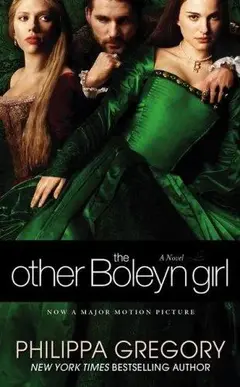
Wolf Hall is the serious answer and the one that won the Booker, though it asks something of you. The Other Boleyn Girl is the far easier way into the same court and sells in enormous numbers for good reason. Hamnet sits just outside the Tudor court and is the best written of the three.
What are the best Second World War novels?
The Nightingale for occupied France and two sisters on opposite sides of the resistance, The Book Thief for Nazi Germany seen from a child's eye, and All the Light We Cannot See for the most beautiful prose of the three. Life After Life covers the Blitz from inside a London that keeps being destroyed.
Are there good historical fiction series rather than standalones?
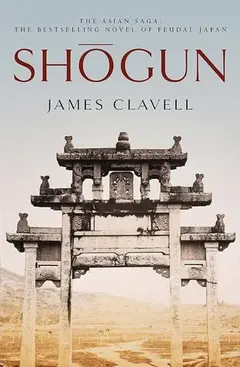
Several. The Pillars of the Earth opens the Kingsbridge books and runs to well over four thousand pages if you want them. Wolf Hall is the first of a trilogy that finishes with The Mirror and the Light. Shogun belongs to Clavell's loosely linked Asian Saga, though it reads perfectly well alone.
What is the difference between historical fiction and historical romance?
Where the centre of gravity sits. Historical fiction uses the period as its subject and the plot can go anywhere, including somewhere bleak. Historical romance uses the period as a setting for a love story and, by convention, ends happily. Books do cross over, but the promise made to the reader is different.
 Shelf 02
Crime & Mystery
Cosy crime, gritty thrillers and a good whodunnit for a wet afternoon.
Browse → Shelf 03
Nature & Countryside
Nature writing, walking, farming and the wild places - our house speciality.
Browse → Shelf 04
History
Popular history, biography and the stories behind the stories.
Browse → Shelf 05
Cookery
Seasonal cooking, baking and the kitchen books worth the shelf space.
Browse →