
Sixty-six novels is a daunting shelf, and starting in the wrong place has put many readers off the greatest crime writer who ever lived. Here's the door in: twelve Christies that show her at full power, and the order we'd hand them to you across the counter.
Editor's Picks
- Death on the Nile - Poirot's most glamorous case
- Evil Under the Sun - sun-drenched seaside Poirot
- Crooked House - Christie's own favourite
Don't start at the beginning
The first Poirot novel, The Mysterious Affair at Styles, was published in 1920 and written partly on a bet. It is a perfectly competent country-house mystery and it is nobody's favourite Christie. She wrote for another fifty-five years and got very considerably better.
There is a second trap, and it is worse. Two of her most famous books turn on a single revelation that has leaked into general knowledge, so a reader who leaves them until late often meets the twist secondhand before they get there. If The Murder of Roger Ackroyd or Murder on the Orient Express appeal at all, read them early, and do not read around them first.
Otherwise there is no wrong order. Almost every Christie is self-contained, the recurring detectives barely change, and nothing is spoiled by picking the one that sounds most like your sort of evening.
The six doors into Christie
Sixty-six novels is a daunting shelf, but they fall into six quite distinct groups, and they do not read alike. Pick the one that sounds like you.
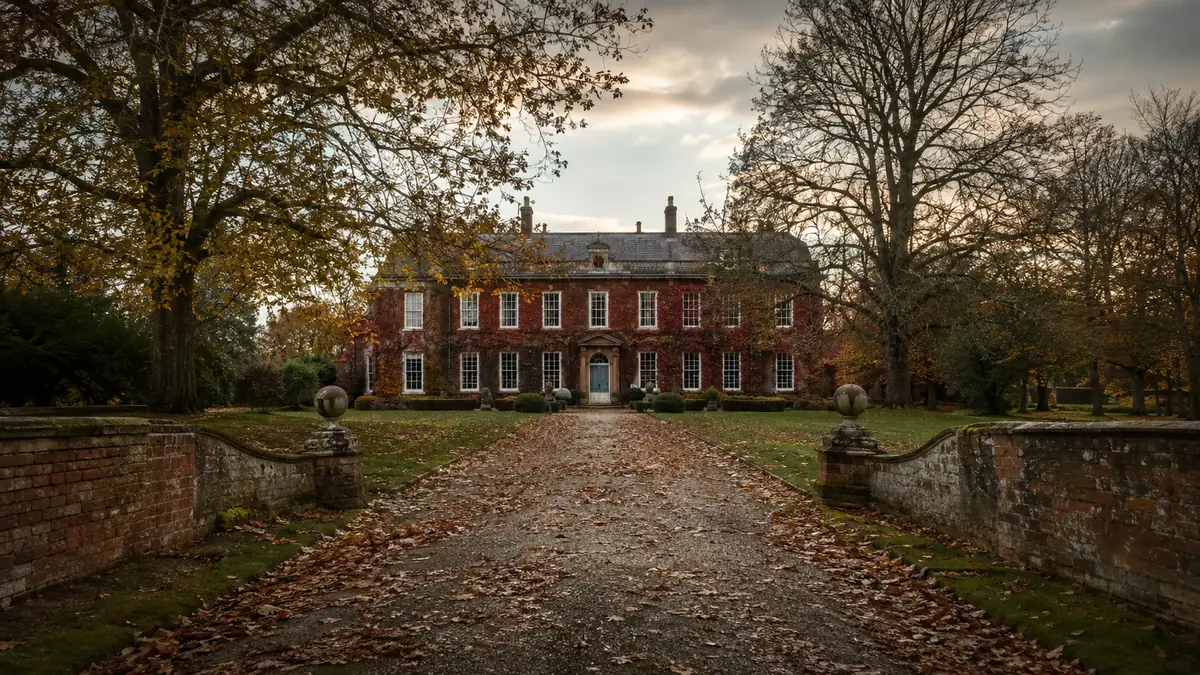
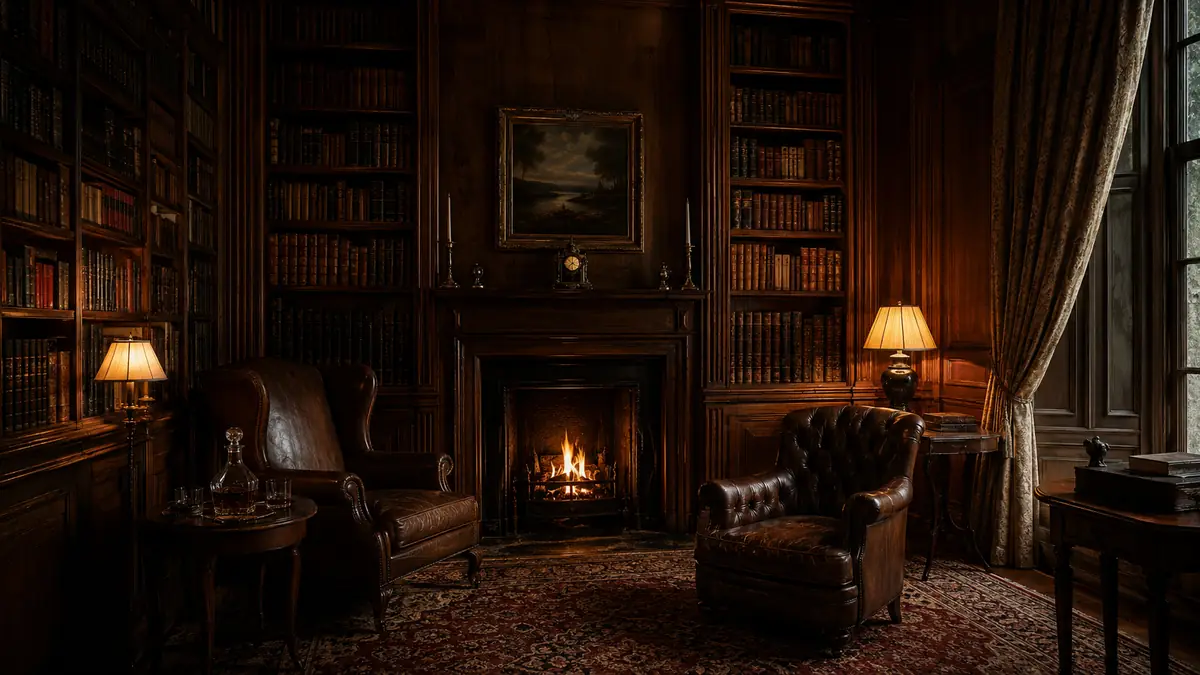
The English country house: a closed circle, a fixed number of suspects, and a drawing room where the revelation lands. Christie's most-used stage, and still her best.
Poirot - the famous one
Thirty-three novels of the fussy Belgian and his little grey cells. This is the mainstream Christie: closed circles of suspects, buried motives, and a drawing-room revelation at the end. The best of them are also her most purely enjoyable books. Start with Death on the Nile for the glamour, or The ABC Murders if you want the cleverest plotting.
Miss Marple - the quieter, sharper one
Twelve novels featuring an elderly spinster whom everybody underestimates, which is the entire point. The Marples are colder than the Poirots and considerably less sentimental about English village life - Marple solves crimes by assuming the worst of people, and being right. Start with A Murder Is Announced.
The standalones - where she took the risks
No recurring detective, and consistently her most daring writing. And Then There Were None is the best-selling crime novel ever published; Crooked House was her own favourite; Endless Night is a genuinely unsettling late book that reads nothing like the rest of her. Start with And Then There Were None - it is the one that converts people who think they do not like Christie.
Tommy and Tuppence - the ones that age
Five books following a married couple from their twenties in 1922 to their seventies in 1973, written across the same span. Lighter and more adventurous than the detective novels, and unexpectedly moving read in sequence, because the characters genuinely grow old.
The thrillers - Christie without detection
Spy plots, chases and conspiracies rather than puzzles: The Man in the Brown Suit, They Came to Baghdad. Enjoyable, dated in places, and a poor introduction if what you want is the fair-play mystery she is famous for.
Mary Westmacott - the novels with no crime in them
Six straight novels published under a pseudonym she kept secret for twenty years. No murders, no detectives, and much closer to the bone than anything under her own name. Worth knowing about; not the place to begin.
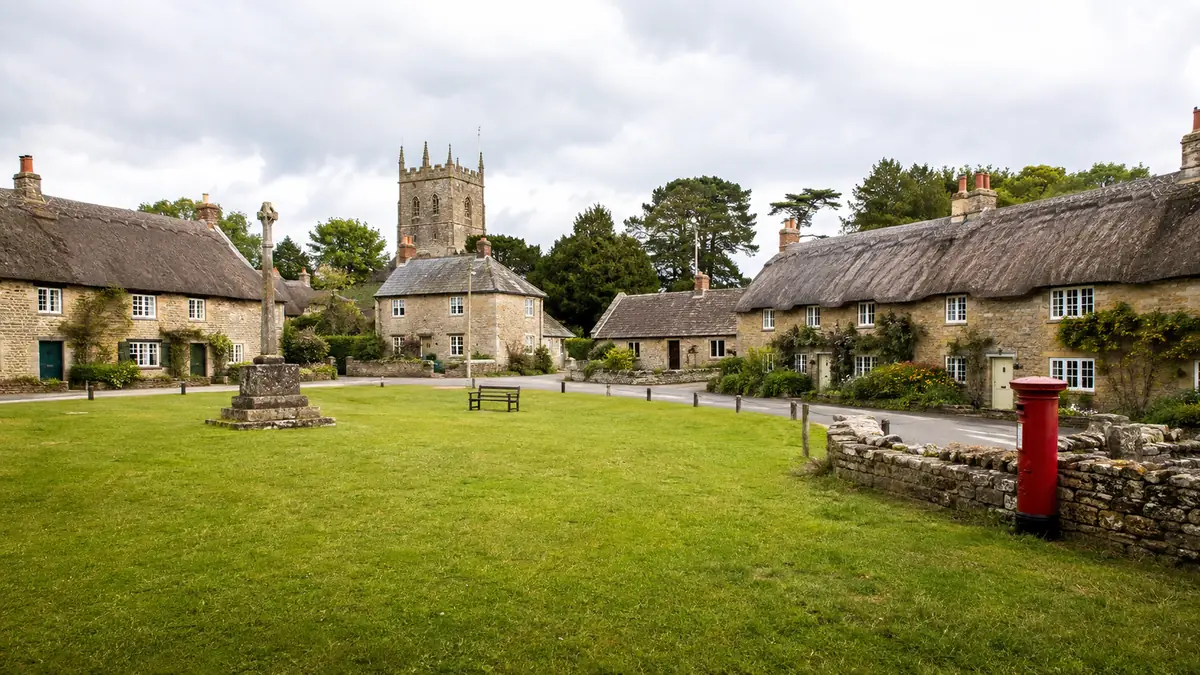
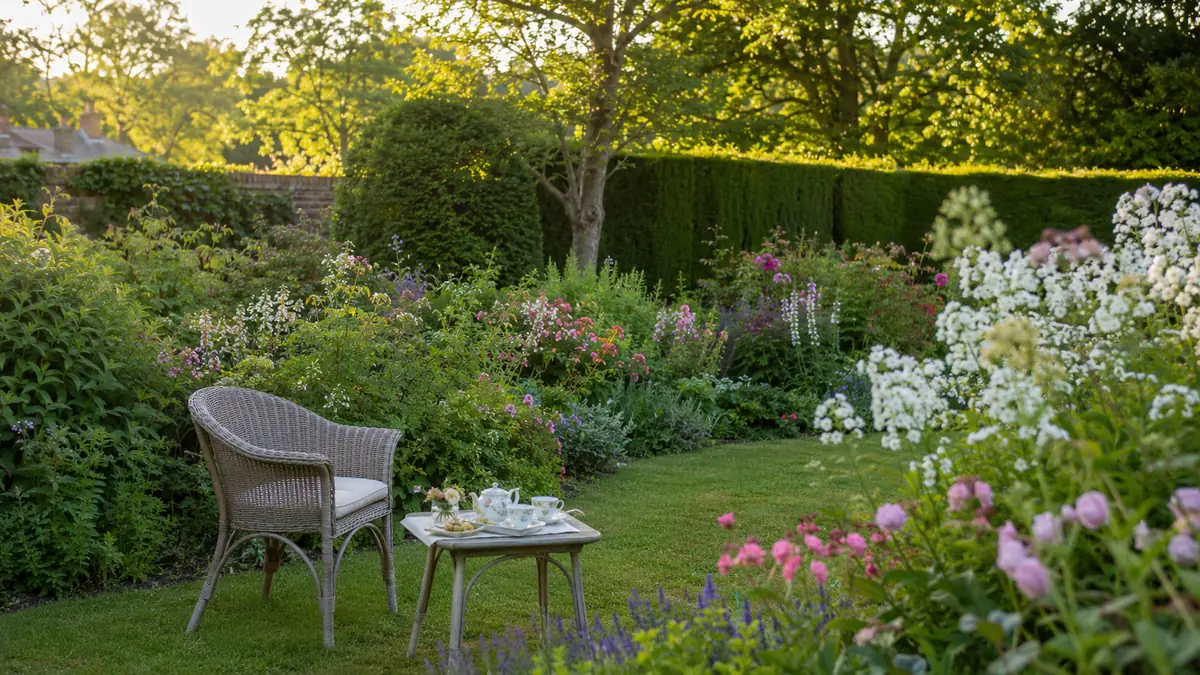
St Mary Mead and its many equivalents: the green, the church tower, the vicarage garden and the tea tray. Marple's villages look gentle and are nothing of the kind.
 01
01And Then There Were None
Ten strangers on an island, picked off one by one to a nursery rhyme. Her masterpiece and the best-selling crime novel of all time - start here and you'll understand the fuss immediately. No detective, no comfort, no equal.
 02
02Murder on the Orient Express
A snowbound train, a dead American and twelve suspects who all have alibis. The most famous solution in crime fiction, and it still lands. Skip the films until you have read it.
 03
03The Murder of Roger Ackroyd
The Christie that broke the rules - a village mystery with an ending so audacious it caused a scandal in 1926. Read it before anyone spoils it. Best approached with zero prior knowledge.
 04
04Death on the Nile
A honeymoon cruise up the Nile, a jealous ex and a shooting in the night. Poirot's most glamorous case and Christie's lushest setting. Ideal holiday reading, ideally near water.
 05
05Evil Under the Sun
A sunbathing beauty is strangled at a Devon resort where every guest had reason. Sun-drenched, elegant and perfectly plotted holiday Christie. A short one, easily finished poolside.
 06
06Crooked House
Three generations of a rich, strange family under one roof - and a poisoner among them. Christie's own favourite of all her books, with an ending she fought her publisher to keep. A good first Christie for anyone who thinks they already know how her plots work.
 07
07The Body in the Library
Miss Marple's finest hour: a corpse in a country-house library and a sharp old lady the police can't see past. The Marple to meet first. Marple is underestimated by everyone, always.
 08
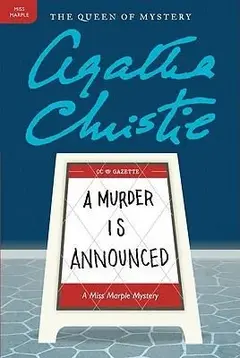
08A Murder Is Announced
A newspaper notice invites the village to a murder. It happens on schedule. The cleverest Marple plot - village cosiness hiding real steel. Post-war rationing detail makes it sing.
 09
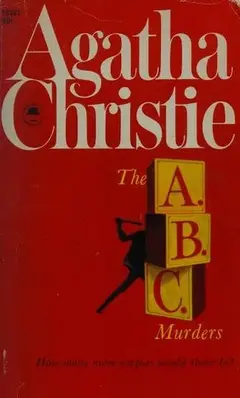
09The ABC Murders
A killer works through the alphabet, taunting Poirot by letter. Christie's take on the serial-killer novel - decades ahead of it. Fair-play plotting at its most confident, and a fine place to meet Poirot if you are starting fresh.
 10
10Five Little Pigs
Poirot re-investigates a sixteen-year-old poisoning through five tellings of one day. Widely rated her most perfect construction. The one crime writers most admire.
 11
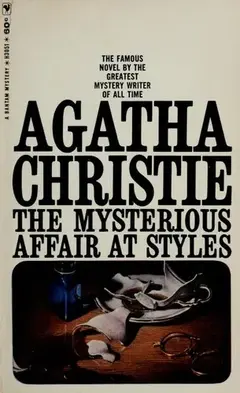
11The Mysterious Affair at Styles
Where it all began: Poirot's debut, a country-house poisoning in 1920. Read it for the origin - and a plot that still holds. Her debut, written for a wartime bet.
 12
12Endless Night
A chauffeur marries an heiress and builds a dream house on cursed land. Late, strange, genuinely unsettling Christie - unlike anything else she wrote. Come to it after a few of the classics, when you are ready for Christie to unsettle rather than comfort.
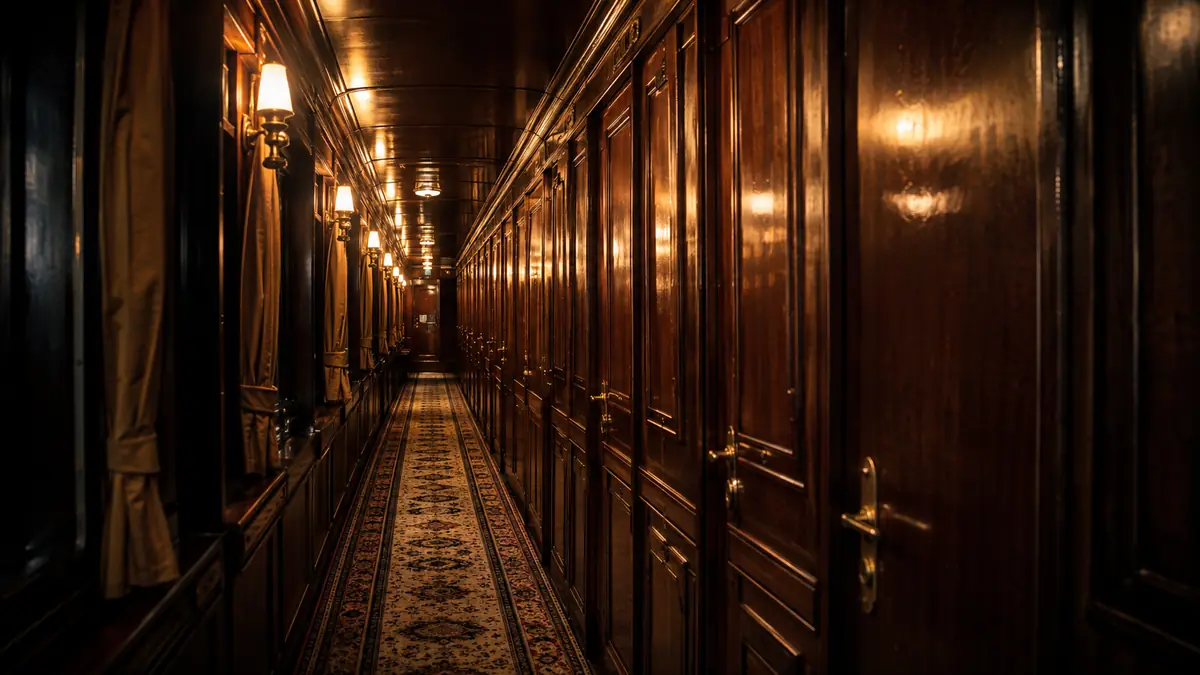

A wagon-lit corridor and a steamer on the Nile. Christie travelled with her archaeologist husband and wrote what she saw: travel writing with bodies in it.
Three ways to read on from here
Follow the detective. Poirot and Marple both have a first and last book, and Poirot's arc in particular is worth taking seriously - Curtain was written during the Second World War, locked in a vault for thirty years, and published as her last. It only lands if you have read a good number of the others first.
Read by setting. A genuinely good way through Christie, and the one most readers fall into by accident. The Nile, the Orient Express, an archaeological dig in Mesopotamia, a Devon holiday hotel, a Cornish clifftop, a snowbound country house. She was writing travel writing with bodies in it.
Take the famous ones first, then go sideways. Read the six or seven everybody names, and if you are still enjoying her, the mid-list is where the real rewards are. Five Little Pigs and Crooked House are better books than several of the ones on every list.
What we would avoid is starting chronologically and grinding forward. That front-loads the weakest material, and the early thrillers in particular have put a lot of readers off a writer they would otherwise have loved.
Other reading orders and starting points
Long series are easier with a map. These are the running orders and starting points we keep for the authors readers ask about most.
Frequently Asked Questions
Poirot or Marple - which first?
Meet Poirot first: Murder on the Orient Express or Death on the Nile show the puzzle-machine at its grandest. Marple's charm is quieter - The Body in the Library is her perfect introduction.
Do I need to read Christie in order?
No - almost every novel stands alone. The publication order matters far less than avoiding spoilers for the famous endings, especially Roger Ackroyd and Orient Express.
Which Christie should I avoid starting with?
The very late novels (1970s) show her decline - save them for completism. And don't start with a short-story collection; her genius needs a full plot to uncoil.
How many books did Agatha Christie write?
Sixty-six crime novels, more than a hundred and fifty short stories, six novels as Mary Westmacott and a number of plays. The crime novels fall into a few distinct groups rather than one long sequence, which makes the shelf far less daunting than the number suggests.
Which is the best Agatha Christie book?
And Then There Were None is the best-selling and the one most likely to convert a sceptic. The Murder of Roger Ackroyd is the most audacious. Christie's own favourite was Crooked House, and Five Little Pigs is the one most often named by readers who have worked through all of her.
Which Christie books get spoiled most easily?
The Murder of Roger Ackroyd and Murder on the Orient Express both turn on revelations that have leaked into general knowledge, so read those early rather than saving them. And Then There Were None is more robust - knowing the premise does not spoil how it works.
Are the Miss Marple books different from Poirot?
Noticeably. The Marples are quieter, colder and much less sentimental about English village life, and Marple solves crimes largely by assuming the worst of people and being right. The Poirots are more theatrical, and build to a set-piece revelation at the end.
What are the Mary Westmacott novels?
Six straight novels Christie published under a pseudonym she kept secret for around twenty years. There are no murders and no detectives in them, and they are markedly more personal than anything under her own name. Worth reading eventually, but not a place to start.
 Shelf 01
Fiction
Literary novels, contemporary storytelling and the books everyone's talking about.
Browse → Shelf 03
Nature & Countryside
Nature writing, walking, farming and the wild places - our house speciality.
Browse → Shelf 04
History
Popular history, biography and the stories behind the stories.
Browse → Shelf 05
Cookery
Seasonal cooking, baking and the kitchen books worth the shelf space.
Browse →